
By Ian Dempster, Executive Director of Southeast Alaska Business Alliance
If you stand at the cruise dock long enough, you’ll see more than tourists stepping off a ship.
You’ll see fish moving the other direction.
Every summer, cruise ships sailing through Southeast Alaska buy thousands of pounds of fresh, local seafood. Not frozen imports. Not mystery filets. Alaska salmon. Cod. Halibut. Crab. Traceable. Local. Often caught by family fishing businesses right here in our communities.
In 2022 alone, Southeast processors were expected to sell more than 20 tons of seafood directly to cruise ships, valued at over $400,000, according to reporting by the Sitka Sentinel. Cruise lines report serving more than 230,000 pounds of Alaska seafood per summer across its ships and hotels. In 2025, another line reported serving 125,000 pounds of fresh, sustainably sourced Alaska seafood across 117 voyages.
That is not abstract economics. That is fishermen getting paid.
One Industry Supporting Another
The seafood industry has faced real headwinds in recent years. Prices dropped in 2023 and 2024. Fishing families felt it. Stress levels went up.
Cruise sourcing became a bright spot.
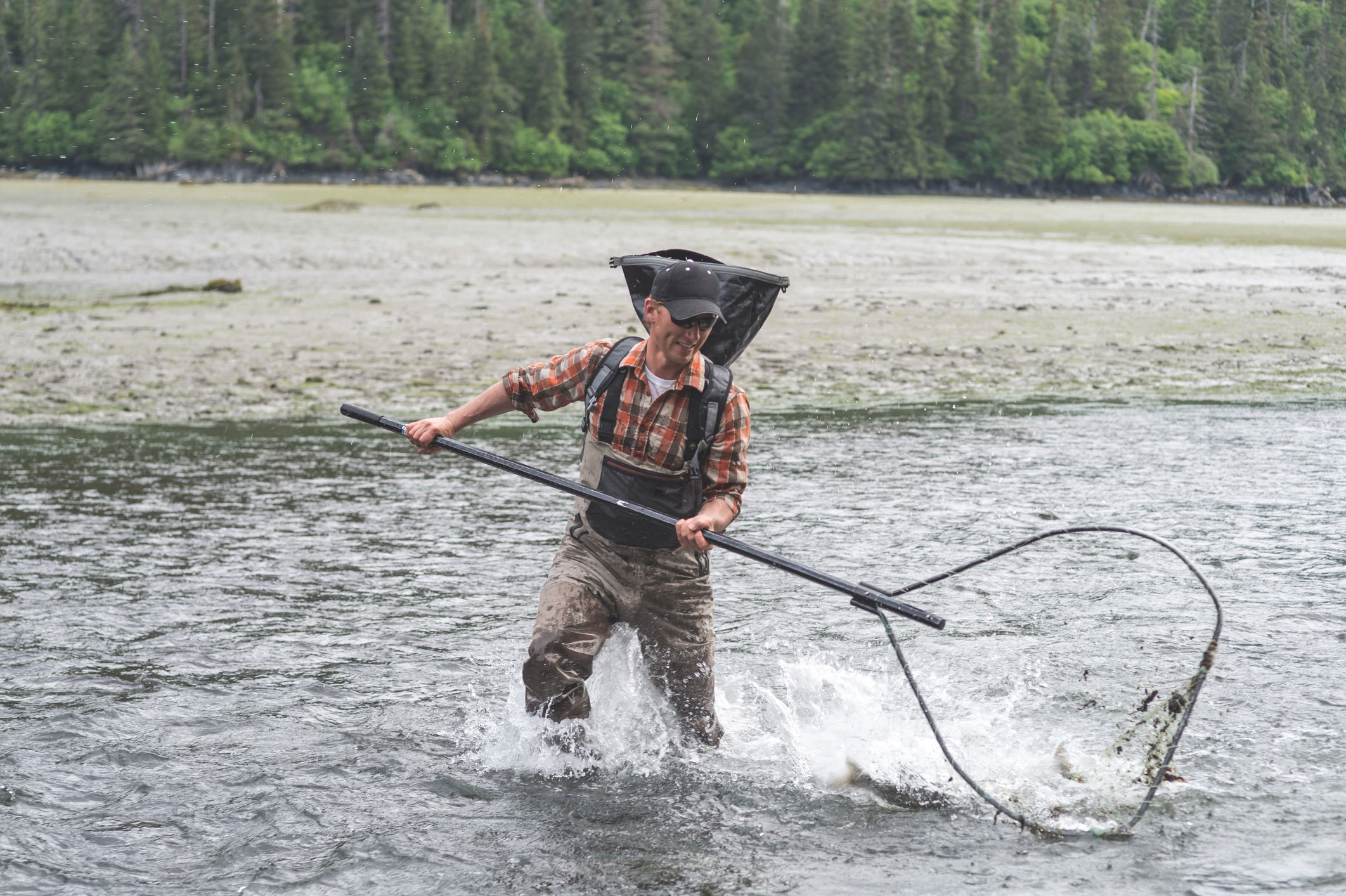
When ships pull into port, companies deliver directly to the vessels. I’ve watched crews unloading, onboarding, working the dock. Ten to fifteen people at a time moving fresh product from Southeast waters to cruise kitchens.
Then the ripple effect kicks in.
Visitors step off the ship and tell me, “We had the best salmon on board.” Or “The crab legs were incredible.” That story doesn’t end on the ship. It drives people into our local businesses. It reinforces that what we harvest here is world-class.
Cruise tourism doesn’t compete with fishing. It strengthens it.
The Charter Shift
There’s another side to this story.
Some fishermen, squeezed by market pressures, have shifted into day charter businesses. They’re still on the water. Still working with fish. Still providing for their families. But instead of selling into volatile wholesale markets, they’re taking visitors out for the day.
And it’s a family operation.
At the cruise terminal, you’ll see it. A dad and his kids holding board signs. A mom driving a 16-passenger van. A brother prepping gear on the boat. A 14-year-old helping load coolers. A 10-year-old greeting guests like a seasoned dockhand.
It’s not corporate. It’s not glossy. It’s real.
I know guys whose wives just had babies. They were stressed. The price per fish dropped and the math stopped working. Cruise tourism gave them another lane. Same boats. Same skills. Same waters. Different revenue stream.
They didn’t leave the fishing life. They adapted.
A Community Ecosystem
We sometimes talk about cruise tourism as if it exists in isolation.
It doesn’t.
It supports processors. It supports charter captains. It supports fuel docks, welders, net suppliers, van drivers, and seafood families trying to stay in the game.
The typical cruise load can include over 2,000 pounds of Alaska salmon, 1,000 pounds of cod, and 800 pounds of halibut. That’s not just inventory. That’s mortgage payments. Diapers. College savings. Boat repairs.
When people say cruise tourism supports local economies, this is what that means.
It means fish caught by Southeast families served on ships sailing through Southeast waters. It means visitors tasting what makes this place special. It means families adjusting, pivoting, and surviving in an industry that has always required resilience.
From dock to dinner plate, it’s all connected. And that connection matters.